
Regenerative Medicine: An Option to Support the Repair of Ligament and Cartilage Injuries
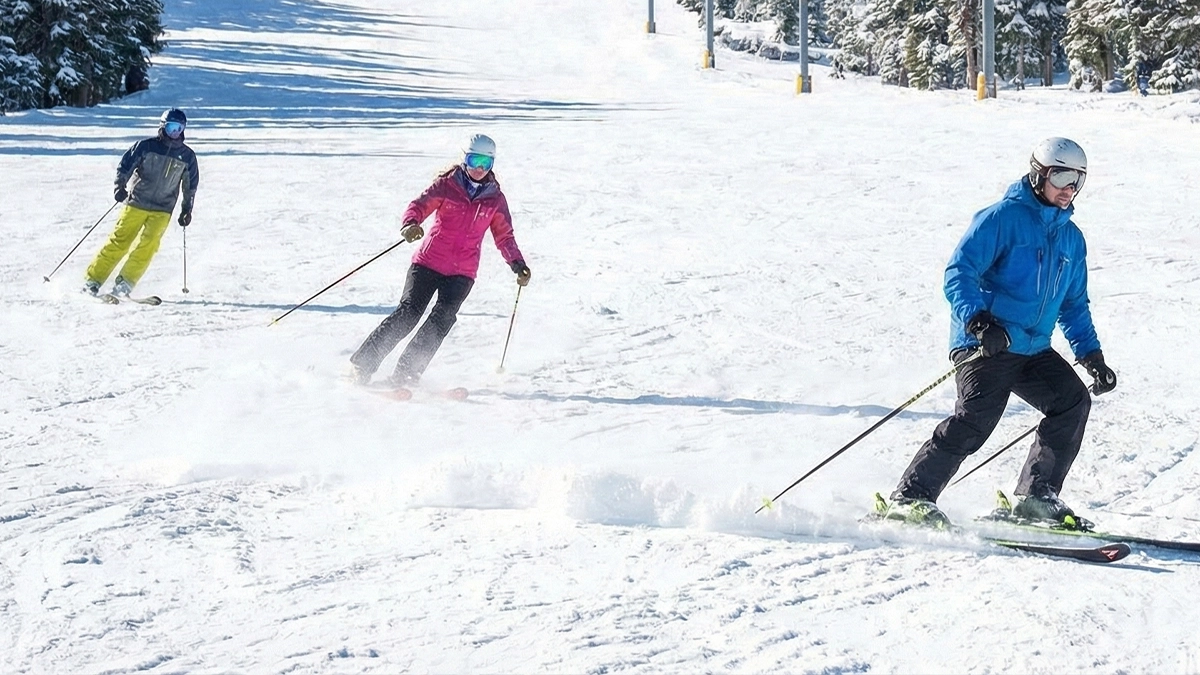
With the arrival of winter, more people are heading out to enjoy skiing and snowboarding. The exhilaration of standing on a snowy mountain for the first time in a while and the refreshing sensation of gliding through the crisp air are unique charms of winter sports.
However, this season also sees a trend of increasing orthopedic patients suffering from trauma. Injuries caused by falls or twisting are aspects of winter sports that require careful attention.
The Impact of Skiing Injuries on "Intra-articular Tissues"
When people think of winter sports injuries, many first imagine bone fractures. However, damage to tissues such as ligaments, tendons, and cartilage is also very common. Because these tissues have a limited blood supply, they possess the characteristic of taking a long time to heal naturally once damaged. Therefore, an appropriate initial response is key to maintaining long-term joint health.
Knee Injuries: A Critical Concern in Skiing
The stress from twisting motions or falls during skiing tends to concentrate on the knee joint, making it a site highly susceptible to ligament and cartilage damage.
A representative example of a skiing injury is an Anterior Cruciate Ligament (ACL) injury. These often occur due to torsion during turns. Even after the initial swelling subsides, instability or a lingering sense of discomfort when stepping down may remain. Structurally, the ACL is one of the tissues that is difficult to heal naturally; depending on the severity of the injury, it can significantly impact sports activities and quality of life. Even for minor damage, receiving an early and accurate diagnosis is essential for long-term joint protection.
Furthermore, cartilage and meniscus injuries also require caution. Since joint cartilage has limited self-repair capabilities, leaving damage untreated creates a risk of progressing to osteoarthritis in the future. Meniscus tears may present few subjective symptoms when mild, but they lead to a state where stress easily accumulates in the joint. At our clinic, we offer regenerative medicine as a new alternative to conventional treatments for these types of injuries.
Why Caution is Needed Even if "X-rays Show No Abnormality"
Unlike fractures, ligament and cartilage damage can be difficult to identify through X-ray examinations alone.
There are cases where patients are told "the bones are fine" and advised to use medical patches and rest, yet the pain or discomfort does not improve even after several weeks. Behind this, there may be tissue damage hidden that does not show up on an X-ray. Persistent dull pain or instability when standing up or climbing stairs may be an important "warning sign" from your joints.
Treatment Focused on the "Tissue Repair Environment"
In recent years, treatments that use a portion of the patient's own tissue to prepare the environment for ligament and cartilage repair and support functional recovery have gained significant attention. Known as tissue therapy or regenerative medicine, these aim not just at pain relief, but at drawing out the inherent healing power of the damaged tissue to improve joint function.
What is PRP Therapy (Platelet-Rich Plasma Therapy)?
PRP治療とは?
This treatment involves extracting platelets from the patient's own blood, highly concentrating them, and injecting them into the affected area to promote tissue repair.
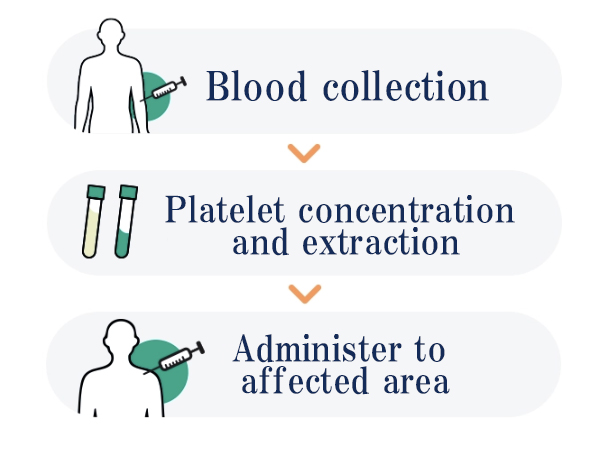
Because it uses your own blood, the risk is low, and the physical burden is minimal compared to surgery. It is an option considered for a wide range of cases, including osteoarthritis and sports-related joint troubles.
▼詳細はこちら

▼ Click here for details [Link: Risks, Costs, and Detailed Explanation of PRP Therapy]
NAG Orthopedics’ Treatment Policy
At our clinic, we emphasize evaluation from a sports medicine perspective and early, precise imaging diagnosis using MRI to understand the exact condition. We prioritize assessing the state as quickly as possible upon consultation and establishing a concrete treatment plan. Rather than simply "resting and waiting," we strive to provide proposals tailored to each individual's lifestyle, including whether they can continue their exercise.
Furthermore, regarding regenerative medicine, we strictly propose it only in cases where it is deemed appropriate after a thorough evaluation of the tissue's condition. We are committed to providing evidence-based treatment and respecting our patients' valuable time.
Our goal is not just to "remove pain," but to "restore original movement" and help you "continue exercising as much as possible."
Summary
If discomfort or instability in the knee persists after skiing or snowboarding, we recommend an early professional evaluation. Taking appropriate action early on will determine the future of your sports life and your quality of daily living. Please do not hesitate to consult us rather than assuming "it will eventually heal on its own."
Important Information Regarding Private Practice (Self-Pay Treatment)
PRP Therapy is not covered by public health insurance (Private Practice).
- Cost (including tax): PRP Injection: 132,000 yen (Note: Initial and follow-up consultation fees are separate)
- Main Risks and Side Effects: Pain at the injection site, swelling, heat, subcutaneous bleeding (bruising), infection, and rare allergic reactions. For a few days after the injection, pain may temporarily increase as part of the tissue repair process (inflammatory response).
- Number of Treatments: Usually once (Multiple sessions may be considered depending on symptoms).
- Treatment Duration: Approximately 3 to 6 months, including follow-up observation.
Regenerative Medicine: An Option to Support the Repair of Ligament and Cartilage Injuries
Winter has arrived, and many people are heading out to enjoy skiing and snowboarding. The exhilaration of standing on a snowy mountain for the first time in a while and the refreshing sensation of gliding through the crisp air are unique charms of winter sports.
Director of NAG Orthopedics: Yoshimasa Nagumo
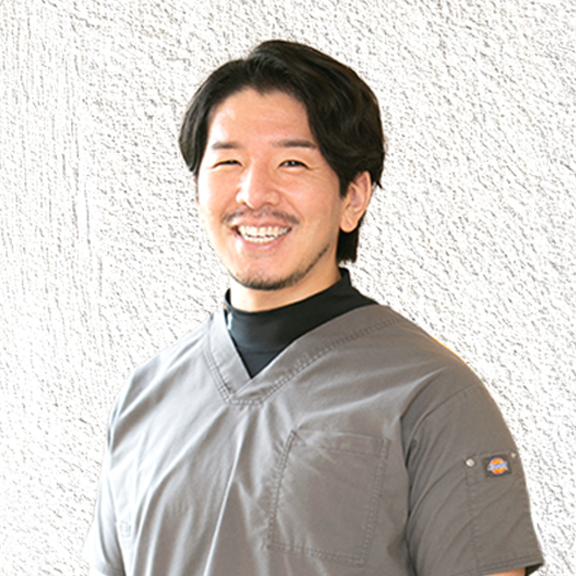
Orthopedic Specialist & Sports Doctor
Dr. Nagumo initially built his career as a surgical oncologist specializing in orthopedic cancer treatment. Subsequently, he moved to the United States to engage in advanced research in the field of regenerative medicine.
It was during his time in the U.S. that a personal injury led him to realize the critical importance of sports medicine. Upon returning to Japan, he transitioned his focus to become a sports orthopedic surgeon.
Currently, he leads the "Athlete Support Program," which provides comprehensive medical support to athletes using a combination of blood analysis and cutting-edge regenerative medicine technologies.
[Click here for the program introduction page:https://nagseikei.jp/en/dr/]

