

What is PRP Therapy? Definition and Meaning
Our blood consists of three primary components:
- Red Blood Cells: Transport oxygen throughout the body.
- White Blood Cells: Involved in immune responses.
- Platelets: Clot blood to seal wounds.
Platelets play a crucial role in coagulation (clotting) and healing wounds. The "scabs" that form when we are injured are a result of platelet activity. Essentially, platelets have the power to suppress inflammation and repair damaged tissues. PRP therapy was developed by focusing on this natural function.
PRP stands for Platelet-Rich Plasma. This treatment involves extracting a high concentration of platelets from your own blood and injecting them into inflamed or damaged joints, muscles, or tendons. It aims to support the body’s innate "healing power," promoting tissue repair and pain relief.
History of PRP Therapy and its Clinical Application
PRP therapy has a surprisingly long history. The discovery of its principles dates back to the 1950s when Western researchers developed methods for preparing platelet concentrates while studying blood coagulation mechanisms.
Its first clinical application occurred in 1998 in the field of dentistry, used for bone regeneration during dental implant procedures. Since then, its use has expanded across various medical fields.
Since the 2000s, PRP therapy has rapidly gained popularity in orthopedics and sports medicine and is now widely recognized as a viable treatment option for joint and tendon disorders. Today, PRP is an essential choice in daily clinical practice. Its key features include an approach that targets the underlying cause of symptoms by promoting tissue repair and its minimally invasive nature, as the procedure is completed through injection only.
As a new option positioned between conventional conservative therapy and surgical intervention, PRP is becoming a standard in modern orthopedic treatment.
Conditions Treated with PRP at NAG Orthopedics
We provide PRP therapy for a wide range of joint disorders and muscle/tendon injuries.
It can be applied to various musculoskeletal conditions including, but not limited to:
①Joints
・Osteoarthritis (knee, shoulder, hip, etc.)
・Joint cartilage injuries, meniscus tears
・Arthritis (inflammatory pain of various causes)
②Muscles and Tendons
・Rotator cuff injuries (shoulder)
・Achilles tendonitis
・Tennis elbow (lateral epicondylitis), Golfer’s elbow (medial epicondylitis)
・Tenosynovitis
・Muscle strains/tears, myofasciitis
・Ligament injuries (including post-sprain recovery)
How PRP Therapy Works
The procedure involves extracting platelets from your own blood, concentrating them, and injecting them into the target area.
Once injected, the platelets gradually break down, releasing growth factors and cytokines. These components help suppress inflammation and encourage tissue regeneration, leading to a gradual reduction in localized pain.
Timeframe for Results
Since PRP therapy utilizes biological components to improve inflammation through the infiltration of growth factors, it takes time for the healing process to begin. Generally, patients start feeling the effects within 2 to 4 weeks after the injection.
PRP and Doping Regulations
PRP therapy is exempt from doping regulations, regardless of the injection site. Therefore, athletes can receive treatment at any time without concern for competition eligibility.
Benefits and Drawbacks of PRP Therapy
Benefits
- Tissue Repair: Beyond just suppressing pain, it may promote the actual repair of tissues in certain areas. This offers an approach that targets the functional improvement of the tissue.
- Lower Risk of Adverse Reactions: Since your own blood is used, the risk of immune rejection or severe allergic reactions is relatively low.
- Note: Temporary pain or swelling may occur. Please refer to the "Side Effects and Risks" section below for details.
- Completed via Injection: Despite its potential effectiveness, the treatment is completed through a simple injection. No hospitalization is required, and it is performed as an outpatient procedure.
Drawbacks
- Time to Take Effect: Because it relies on the body’s natural healing process, it typically takes 2 to 4 weeks to notice improvement.
- Not Covered by Insurance: PRP therapy is currently a self-pay (private) medical service and is not covered by Japanese national health insurance.
Same-Day Treatment at NAG Orthopedics
At our clinic, PRP therapy can be performed on the day of your visit. Following a blood draw, the preparation process (centrifugation) takes approximately 1 to 2 hours. The PRP is then injected during your appointment, and you can return home immediately afterward.
※Processing time may vary depending on the clinic's schedule.
Treatment Flow
- Blood Draw: Approximately 20ml of blood is collected per site.
- Preparation: The blood is processed in a centrifuge to extract and concentrate the platelet layer.
- Injection: Once ready (approx. 1 hour), the PRP is injected in the consultation room.
- Recovery: After confirming there are no abnormalities like excessive bleeding, you may leave.
- Post-Treatment: Avoid bathing on the day of treatment and keep the area from becoming excessively warm.
Rest Period After PRP Therapy
The specific duration of rest required after treatment will be determined based on your type of exercise and daily activity level. Please consult with our physician during your visit for a personalized plan.
While conscious restriction of strenuous movements is necessary, specialized immobilization (such as casts) is generally not required. However, if you prefer additional support, we can provide options such as medical supporters or braces.
Post-Treatment Process
After the injection, you may return home following a short rest at the clinic.
We will schedule regular follow-up visits to monitor your progress and ensure optimal recovery.
Side Effects and Risks
While the risk of severe side effects is low due to the use of autologous (your own) tissue, the following may occur:
- Temporary increase in pain immediately after injection due to increased internal pressure. This is particularly common with intra-articular (joint) injections.
- General injection-related risks such as localized pain, swelling, or redness.
Treatment Costs (Private Practice / Self-Pay)
PRP therapy is a self-pay (private) medical service and is not covered by Japanese national health insurance.
| Item | Fee (Including Tax) |
| PRP Therapy (1 site / 1 session) | 132,000 JPY |
| Initial Consultation Fee (Private) | 6,600 JPY |
Please note that treatment prices are subject to periodic review. For the latest information, please refer to our pricing page.
If you are interested in PRP therapy at NAG Orthopedics, please book through the link below
Director of NAG Orthopedics: Yoshimasa Nagumo
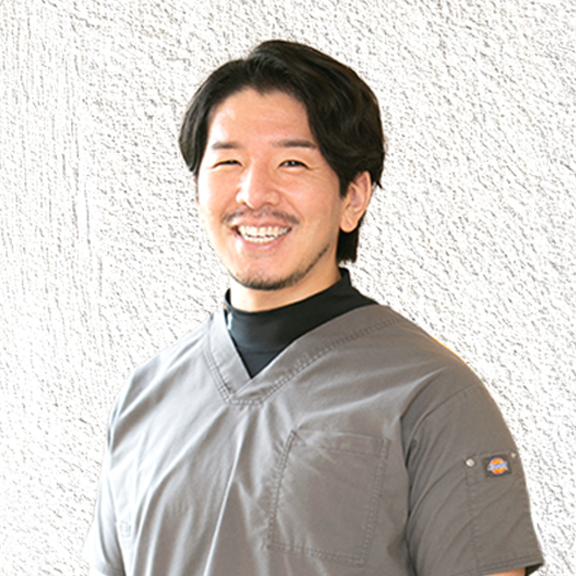
Orthopedic Specialist & Sports Doctor
Dr. Nagumo initially built his career as a surgical oncologist specializing in orthopedic cancer treatment. Subsequently, he moved to the United States to engage in advanced research in the field of regenerative medicine.
It was during his time in the U.S. that a personal injury led him to realize the critical importance of sports medicine. Upon returning to Japan, he transitioned his focus to become a sports orthopedic surgeon.
Currently, he leads the "Athlete Support Program," which provides comprehensive medical support to athletes using a combination of blood analysis and cutting-edge regenerative medicine technologies.
[Click here for the program introduction page:https://nagseikei.jp/en/dr/]

