
In the fields of wellness and anti-aging care, approaches to prevent daily "body rusting (oxidation)" are drawing significant attention. To maintain a healthy body, it is essential to understand the mechanism of oxidation occurring inside the body. In this article, we will explain in detail how oxidation is triggered.
What are "Antioxidant Action" and "Reactive Oxygen Species (ROS)" in the First Place?
抗酸化作用とは、抗酸化物質が「活性酸素」の働きを抑えることを指します。まずは、この活性酸素が体内でどのように発生するのかをご説明します。
Antioxidant action refers to antioxidant substances suppressing the function of "reactive oxygen species" (ROS / free radicals). First, let us explain how these reactive oxygen species are generated in the body.

1. Generation Associated with Life Maintenance and Energy Production
The oxygen we take in through breathing is delivered to various organs throughout the body and supplied to cells, where it is used to produce energy for all vital functions. The brain consumes about 25% of this oxygen.
Oxygen transported from organs to tissues goes into organelles called mitochondria inside cells, where it is utilized in the energy production pathway. By continuously supplying oxygen—much like adding logs to a stove—energy is endlessly supplied not only during exercise but also while sleeping. However, the oxygen used in this energy cycle does not simply disappear; it transforms into a different substance. This is what we call "reactive oxygen species" (ROS).
2. The Role and Impact of Reactive Oxygen Species in the Body
ROS are often compared to the "cinders of oxygen," but in reality, they are closer to bombs that explode and destroy cells when they reach nearby tissue. White blood cells in our bodies use these ROS to attack hostile tissues and foreign invaders when detected, triggering an immune response.
However, when large amounts of ROS are generated due to factors like stress, even the cells that should be protected get attacked, leading to various physical discomforts and ailments. What makes it tricky is that ROS can be generated not only by stress or illness, but also by "high-load, long-duration exercise"—which might otherwise seem healthy—due to the consumption of large amounts of oxygen.
What are "Antioxidants" That Suppress Reactive Oxygen Species?
Substances that inhibit the action of these reactive oxygen species are called "antioxidants." Well-known examples include Vitamin C and Vitamin E, which can be obtained through diet or supplements, as well as Glutathione, which is utilized in medical aesthetics and anti-aging care. Properly managing oxidative stress in the body is one of the crucial elements in daily conditioning.
Approaches to Maintaining Healthy Tissues
To balance the body's antioxidant pathways, a well-balanced diet, high-quality sleep, and controlling exercise intensity are essential. Even in orthopedic and regenerative medicine settings like our clinic, controlling tissue inflammation and pain is considered to be closely linked to managing oxidative stress ("rusting") in the body.
Summary
Accurately understanding the mechanism of oxidation in the body and properly dealing with internal oxidative stress are key factors in daily conditioning.

Director of NAG Orthopedics: Yoshimasa Nagumo
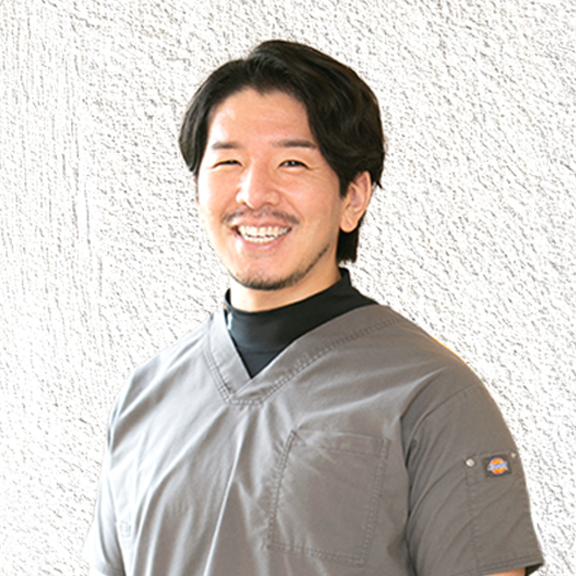
Orthopedic Specialist & Sports Doctor
Dr. Nagumo initially built his career as a surgical oncologist specializing in orthopedic cancer treatment. Subsequently, he moved to the United States to engage in advanced research in the field of regenerative medicine.
It was during his time in the U.S. that a personal injury led him to realize the critical importance of sports medicine. Upon returning to Japan, he transitioned his focus to become a sports orthopedic surgeon.
Currently, he leads the "Athlete Support Program," which provides comprehensive medical support to athletes using a combination of blood analysis and cutting-edge regenerative medicine technologies.
[Click here for the program introduction page:https://nagseikei.jp/en/dr/]

