

What is a Delayed Food Allergy?
An allergy is an overreaction of the body's immune system to a foreign substance introduced from the outside. Hay fever, which is very common in Japan, is a classic example of an allergic reaction. Other examples include localized skin redness and swelling caused by pain relief patches, or breathing difficulties and skin rashes that occur after taking various medications, including pain relievers.
While people often assume these symptoms are only triggered by medications or specific synthetic substances, they can also be caused by the everyday foods we consume.
Food allergies are also referred to as food hypersensitivity. As the name suggests, they refer to immune reactions triggered by ingesting food.
Types of Allergic Reactions
The examples of allergic reactions mentioned at the beginning often cause symptoms immediately after ingestion or use. This type is known as an "immediate allergy" (Type I allergy), and it primarily involves a substance called IgE antibodies within the immune system.
On the other hand, there are allergic reactions where symptoms appear quite some time after ingestion—specifically, from several hours to several weeks later. This is known as a "delayed allergy" (Type III allergy) and is primarily mediated by IgG antibodies.
About Delayed Food Allergies (IgG Antibodies)
Delayed allergies (Type III) typically manifest symptoms hours to weeks after consuming a food, which means they have fundamentally different characteristics from immediate allergies (Type I), which cause acute, severe symptoms right away.
Recently, an increasing number of people are requesting this test to investigate potential links to ongoing, everyday physical discomforts such as chronic fatigue, stiff shoulders, headaches, or low mood. However, it is important to note that these routine complaints are often multi-faceted, involving stress, lifestyle habits, and various other factors. The medical evidence establishing a direct causal relationship between IgG antibody test results and these symptoms has not yet been fully established. Therefore, at our clinic, we offer this as a self-pay (out-of-pocket) screening test, intended solely as one of many reference indicators to help you understand your body’s general tendencies.
Allergies are fundamentally part of the body's immune defense system, attempting to fight off and eliminate substances it perceives as hazardous when they enter from the outside.
Foods that cause delayed-type food allergies
Potential trigger foods cover a wide range, including dairy products (milk, yogurt, cheese, etc.), eggs, legumes, nuts, rice, wheat, and yeast (found in bread and other baked goods).
If you regularly consume large amounts of specific ingredients and wish to objectively understand your dietary habits and physical tendencies, this test serves as a valuable option for your wellness journey.

Delayed Food Allergy Testing (IgG Food Chemical Sensitivity Semi-Panel)
At our clinic, we offer out-of-pocket blood testing for individuals who wish to comprehensively check which foods their body tends to react to, serving as an opportunity for overall health management and dietary review.Your tendency to react to delayed food allergies (IgG antibodies) can be evaluated via a blood test. Our clinic screens for the following 120 items.
If you are interested, please feel free to visit us.
IgG Food Chemical Sensitivity Semi-Panel (120 Items)
This is a well-balanced panel covering 120 items tailored to typical dietary habits, including dairy, vegetables, fruits, meat, seafood, nuts, grains, coffee, spices, and seaweed.
| Dairy / Eggs | Casein, Cheese (Mixed), Egg White, Egg Yolk, Milk, Whey, Yogurt |
| Meat | Beef, Chicken, Horse Meat, Lamb, Pork |
| Fish / Seafood | Sea Bass, Clam/Asari Clam, Cod, Crab, Eel, Mackerel, Octopus, Oyster, Salmon, Sardine, Scallop, Sea Bream, Shrimp, Squid, Tuna |
| Nuts / Seeds / Legumes | Almond, Broad Bean, Green Bean, Kidney Bean, Cashew Nut, Chestnut, Chickpea, Coconut, Ginkgo Nut, Mung Bean, Pea, Peanut, Pistachio, Rapeseed, Adzuki Bean, Sesame, Soybeans, Walnut |
| Grains (Containing Gluten) | Barley, Durum Wheat, Gliadin (Gluten), Oats, Rye, Spelt Wheat, Wheat, Wheat Bran |
| Grains (Gluten-Free) | Buckwheat, Corn, Quinoa, White Rice |
| Fruits | Apple, Avocado, Banana, Blueberry, Cherry, Grape (Mixed), Grapefruit, Kiwi, Lemon, Mango, Melon (Honeydew), Orange, Peach, Pear, Pineapple, Strawberry, Watermelon |
| Vegetables / Seaweed | Agar, Wakame Seaweed, Asparagus, Eggplant, Beet (Sugar Beet), Broccoli, Carrot, Cauliflower, Celery, Cabbage, Cucumber, Garlic, Ginger, Kelp, Leek, Lettuce, Mung Bean Sprouts, Mushroom, Olive, Onion, Bell Pepper (Mixed), Potato, Pumpkin, Radish, Spinach, Sweet Potato, Tomato, Turnip |
| Herbs / Spices | Basil, Chili Pepper, Cinnamon, Curry Powder, Mustard, Parsley, Peppercorn, Peppermint, Vanilla Bean |
| Others | Candida, Sugar Cane, Cocoa Bean, Coffee, Honey, Black Tea, Green Tea, Baker's Yeast, Brewer's Yeast |
Important Notes on Unapproved / Voluntary Medical Testing
- Test Name: IgG Food Chemical Sensitivity Semi-Panel (120 Items)
- Cost: 55,000 yen (including tax)
- Main Risks and Side Effects: Temporary pain, internal bleeding (bruising), redness, or swelling may occur at the puncture site due to blood drawing. Additionally, because the clinical utility of this test has not been firmly established by guidelines from organizations such as the Japanese Society of Allergology, excessive dietary restrictions based solely on these test results may carry risks such as nutritional deficiencies. Please ensure you interpret and handle the results under the appropriate guidance of a physician.
To Book a Delayed Food Allergy Test at NAG Orthopedics
Please make an appointment via the link below.
Director of NAG Orthopedics: Yoshimasa Nagumo
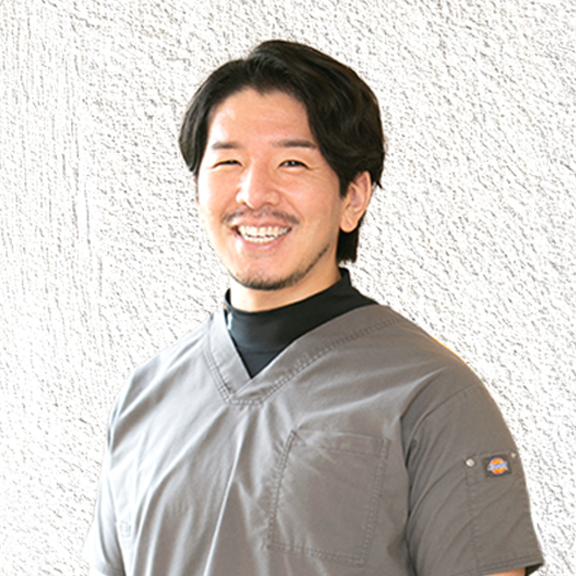
Orthopedic Specialist & Sports Doctor
Dr. Nagumo initially built his career as a surgical oncologist specializing in orthopedic cancer treatment. Subsequently, he moved to the United States to engage in advanced research in the field of regenerative medicine.
It was during his time in the U.S. that a personal injury led him to realize the critical importance of sports medicine. Upon returning to Japan, he transitioned his focus to become a sports orthopedic surgeon.
Currently, he leads the "Athlete Support Program," which provides comprehensive medical support to athletes using a combination of blood analysis and cutting-edge regenerative medicine technologies.
[Click here for the program introduction page:https://nagseikei.jp/en/dr/]

