
Regenerative Medicine: An Option to Support the Repair of Ligament and Cartilage Damage
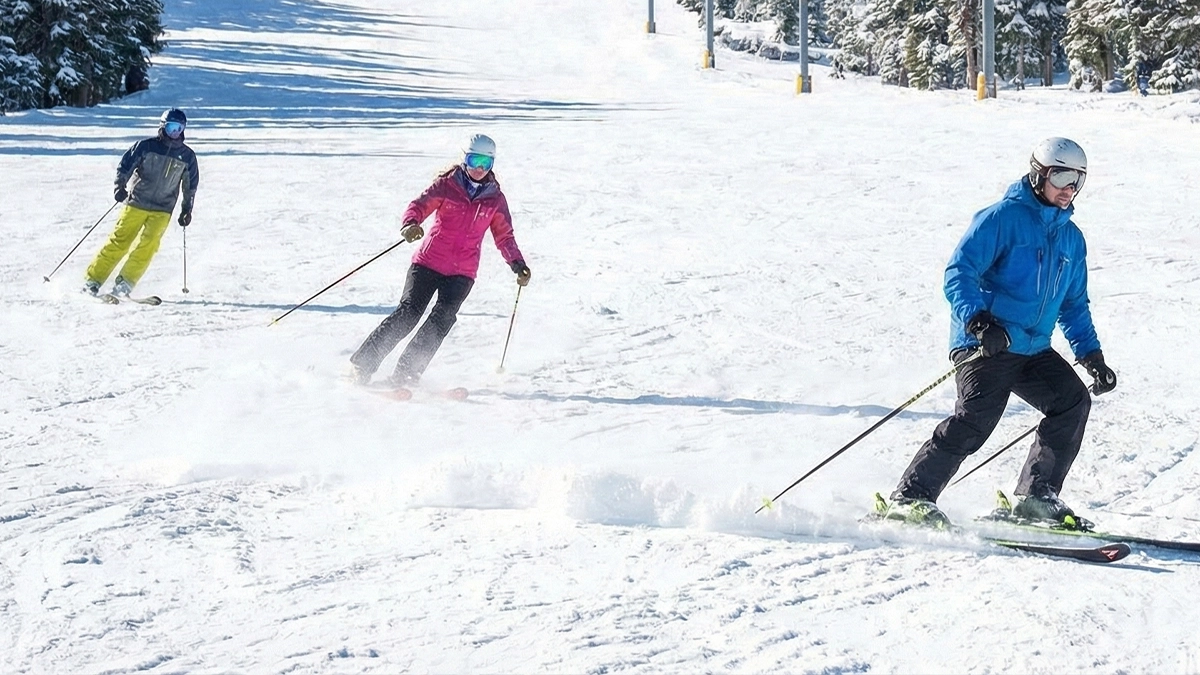
Winter has arrived, and many people are heading out to enjoy skiing and snowboarding. The exhilaration of standing on a snowy mountain for the first time in a while and the refreshing sensation of gliding through the crisp air are unique charms of winter sports.
However, this season also sees a trend of increasing trauma cases in orthopedic clinics. Injuries caused by falls or twisting are critical aspects of winter sports that require caution.
The Impact of Skiing Injuries on "Intra-articular Tissues"
When people think of winter sports injuries, fractures are often the first thing that comes to mind. In reality, injuries to ligaments, tendons, and cartilage are just as common. Because these tissues have a poor blood supply, they possess a characteristic of taking a long time to heal naturally once damaged. Therefore, appropriate initial response is key to maintaining long-term joint health.
Focusing on "Knee" Injuries in Skiing
The twisting motions and impact loads during skiing and snowboarding tend to concentrate on the knee joint, making it a highly vulnerable area for ligament and cartilage damage.
A representative example is an Anterior Cruciate Ligament (ACL) injury. This often occurs during torsion while turning. Even after the initial swelling subsides, patients may experience lingering instability or a "giving-way" sensation when stepping down. Structurally, the ACL is one of the tissues that is difficult to heal naturally, and depending on the severity, it can significantly impact sports activities and quality of life. Even for microscopic damage, receiving an early and accurate diagnosis is vital for long-term joint protection.
Furthermore, cartilage and meniscus damage require caution. Because joint cartilage has limited self-repair capabilities, leaving damage untreated carries the risk of progressing to osteoarthritis (OA) in the future. Meniscus tears may also present few subjective symptoms in mild cases, but they lead to an accumulation of stress on the joint. At our clinic, we offer Regenerative Medicine as a modern alternative to conventional treatments for these types of injuries.
Differences Between ACL Injuries and Meniscus/Cartilage Injuries
| Primary Role | Characteristic Discomfort / Symptoms | Risks of Leaving Untreated | |
| Anterior Cruciate Ligament (ACL) Injury | Giving way (Knee buckling / Instability) | Chronic instability | Secondary meniscus injury |
| Meniscus and Cartilage Injury | Cushioning to absorb impact on the knee | Inability to extend or flex the knee (Locking) | Cartilage wear leading to Osteoarthritis (OA) |
Why "Normal X-ray Results" Still Require Caution
Unlike fractures, damage to ligaments and cartilage is often difficult to confirm with X-ray examinations alone.
Many patients are told, "The bones look fine," and are advised to monitor the situation with pain patches and rest—only to find that pain or discomfort persists weeks later. In such cases, there may be tissue damage hidden that does not appear on X-rays. Persistent dull pain or instability during movements like standing up or climbing stairs may be an important signal from your joint.
Treatments Focused on the "Tissue Repair Environment"
In recent years, treatments that use parts of your own biological tissue to prepare an environment for ligament and cartilage repair have gained significant attention. These are known as tissue therapies or Regenerative Medicine. Rather than just providing pain relief, the goal of these treatments is to draw out the body's natural healing power and aim for the improvement of joint function.
What is PRP Therapy (Platelet-Rich Plasma)?
PRP therapy is a treatment that promotes tissue repair by injecting highly concentrated platelets, extracted from the patient’s own blood, into the affected area. Because it utilizes your own blood, the risks are minimal, and it is characterized by being less taxing on the body compared to surgery. It is a viable option considered for a wide range of cases, including osteoarthritis and sports-related joint issues.
Learn More
https://nagseikei.jp/stiffshoulders/237/
Our Treatment Philosophy
At NAG Orthopedics, our priority is assessing conditions through the lens of sports orthopedics and gaining a precise understanding of each injury using rapid diagnostic imaging, such as MRI. We believe in evaluating your condition as promptly as possible upon your visit to establish a concrete treatment plan. Rather than simply advising you to "rest and see how it goes," we strive to provide recommendations tailored to your individual lifestyle, including whether or not you can continue your athletic activities.
Regarding regenerative medicine, we strictly propose this option only in cases where a thorough evaluation of the tissue confirms it is appropriate. Our goal is to provide evidence-based treatment while respecting our patients' valuable time.
This is because we aim not only to "eliminate pain," but to "restore original movement" and "enable you to continue your physical activities as much as possible."
Summary
If you experience persistent discomfort or instability in your knee after skiing or snowboarding, we recommend seeking a professional evaluation early on. Taking the right steps promptly can significantly impact the quality of both your future sports life and daily activities. Please don't suffer in silence thinking it will "heal on its own"—feel free to consult with us.
[Important Notes Regarding Regenerative Medicine (Self-Pay/Non-Insured Treatment)]
- Insurance: Regenerative medicine performed at this clinic (PRP therapy, Next-Generation PRP, etc.) is a "free medical service" (self-pay) and is not covered by public health insurance.
- Main Risks/Side Effects: Potential for pain during the procedure, bleeding, transient swelling, infection, or allergic reactions.
- Cost (incl. tax): PRP Injection: 132,000 JPY (Initial and follow-up consultation fees are separate.)
- Other: Results vary by individual. The treatment plan will be determined based on a doctor's diagnosis.

