
What is Placenta Injection?
Basics and Benefits of Placenta Injection
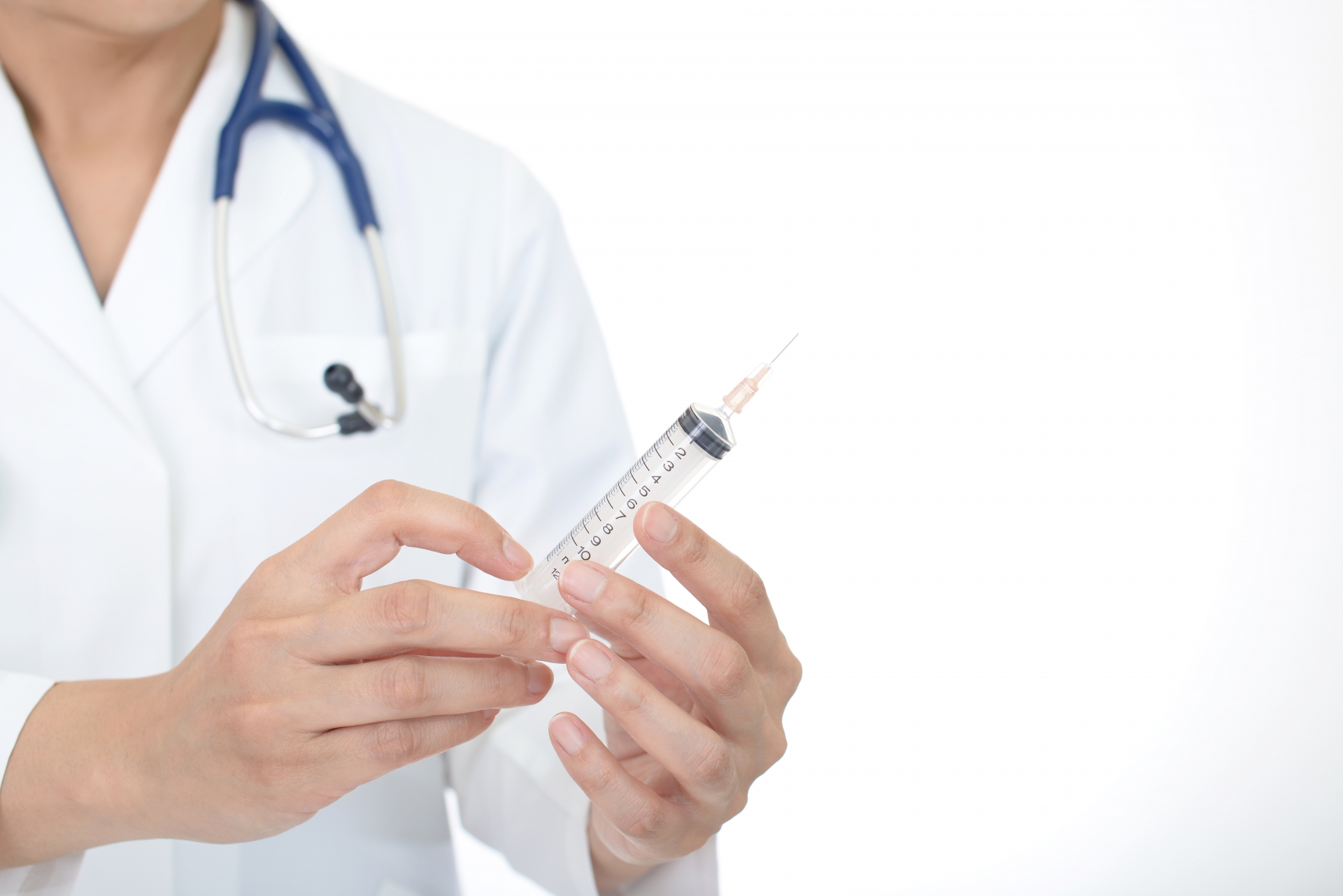
Placenta injection is a treatment where growth factors and nutrients extracted from human placenta are injected into the body. The placenta is an organ that nourishes the fetus and removes waste products during pregnancy, making it incredibly rich in essential nutrients. By introducing this placenta extract into the body, various beauty and health benefits are expected, including the promotion of skin metabolism and recovery from fatigue.
Effective Uses of Placenta Injection
Beauty Benefits of Placenta Injection
The components contained in the placenta extract improve blood circulation in the skin and promote skin metabolism, helping to prevent spots and wrinkles, as well as maintain skin firmness and elasticity. (*Individual results may vary.)
Administering placenta is expected to suppress melanin production and maintain a healthy skin turnover process. It also supports collagen production, which helps keep the skin firm and hydrated. Furthermore, due to its antioxidant properties, it stands as an excellent treatment option for those experiencing skin concerns.
While the officially approved indications for placenta injections in Japan are for the treatment of menopausal disorders and chronic liver disease, our clinic offers this treatment as a self-pay (out-of-pocket) medical service aimed at maintaining ideal skin conditions, based on our patients' requests.
Health Benefits of Placenta Injection
Placenta is also utilized as a medication to improve liver function. The liver is a vital organ responsible for processing waste products in the body. Supporting liver function helps prevent the accumulation of harmful substances, thereby aiding in fatigue recovery.
Placenta preparations were originally developed as liver function improvers. The liver plays a crucial role in processing metabolic waste and is responsible for breaking down and detoxifying various unnecessary substances in the body, including alcohol. Supporting its function means it can be used to improve liver function in patients with chronic liver diseases. Please note that using this treatment for fatigue recovery or hangover prevention—which we offer at our clinic as a self-pay service—is not approved as a government-authorized medical indication in Japan.
Risks and Side Effects of Placenta Injections
Side Effects of Placenta Injections
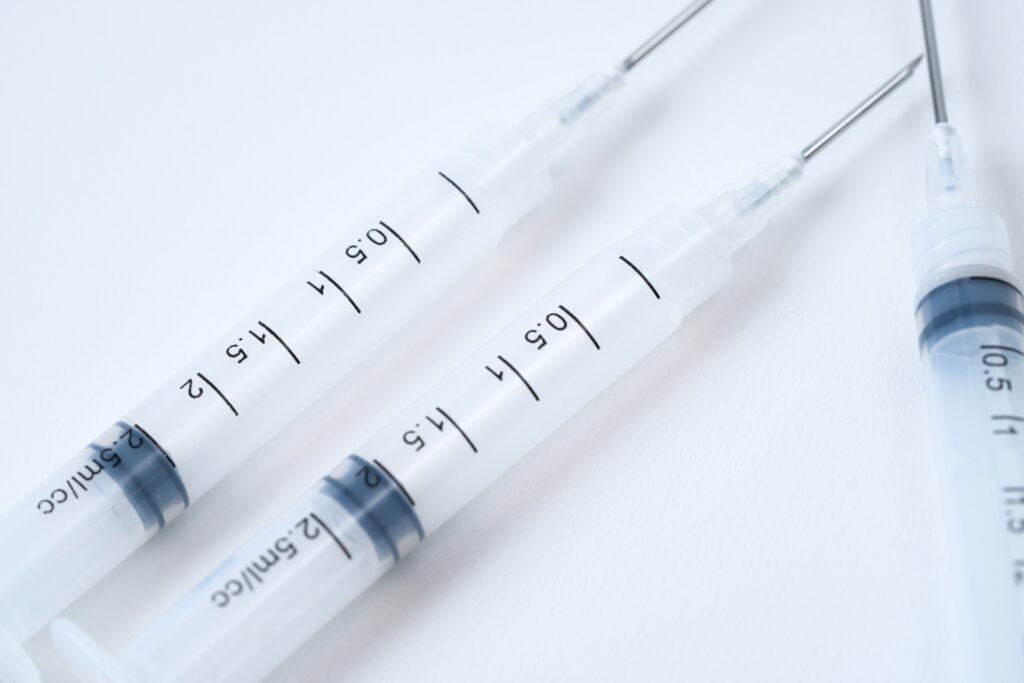
Generally, placenta extract injections are known to have no major side effects, and this high level of safety is one of its key features. However, because it utilizes components extracted from human placenta, placenta preparations are legally categorized as "Specified Biological Products" , which carries a theoretical risk of infection.
In reality, the products undergo rigorous, safe manufacturing processes that eliminate cellular components before shipment, and there have been no reports of infections caused by them. However, due to the nature of the product where the risk of infection cannot be absolutely ruled out, individuals who have received a placenta injection even once are permanently barred from donating blood.
Recommended Frequency
While the duration of the effects varies from person to person, it is generally said to last from a few days to a few weeks. Therefore, regular injections are recommended to maintain consistent results.
Safety of Placenta Injections
The raw material for the placenta is healthy human placenta that is thoroughly screened and free from infectious diseases, which is why it is characterized by a lack of major side effects. Although temporary symptoms common to injections—such as redness, swelling, or itching at the injection site—may occur, these are only transient.
Additionally, while individuals who have received placenta injections were previously restricted from donating blood for life, the policy is scheduled to change, and blood donations are expected to become eligible starting around autumn 2026. Reference: Ministry of Health, Labour and Welfare (https://www.mhlw.go.jp/stf/newpage_70274.html)
Results and Duration of Placenta Injection Effects
How Long Until You Feel the Effects?
The time it takes to notice results varies by individual, but patients generally begin to feel the effects after their 4th or 5th session. However, since the effects typically last for only a few days, many patients choose to receive injections about once a week.
Historical Background of Placenta Injections
The history of using placenta for medicinal purposes is surprisingly ancient, with records of its use spanning various cultural spheres, including ancient Egypt, China, and Greece.
On the other hand, modern placenta injection therapy is said to have originated right here in Japan. Following World War II, placenta preparations were developed in the 1950s for the purpose of treating liver dysfunction, after which they garnered significant attention worldwide.
Types of Placenta Injections
The Ministry of Health, Labour and Welfare has approved two specific pharmaceutical preparations: "Melsmon" and "Laennec". These two differ in their manufacturing methods.
- Melsmon is refined using the hydrolysis method (a process that breaks down the placental cell membranes using acid to extract components). It promotes tissue respiration and is used for treating menopausal disorders and lactation disorders.
- Laennec is refined using the molecular fractionation method (a process using special filters to extract necessary components without destroying them). It is primarily used to improve liver function. Our physicians evaluate and select the appropriate preparation based on their respective manufacturing methods and characteristics.
Is Oral Intake of Placenta Possible?
Placenta components can also be consumed orally. However, oral supplements are easily broken down by the digestive system, resulting in a lower absorption rate compared to injections. In contrast, injections deliver the components directly into the bloodstream, significantly maximizing the absorption rate.
Important Information Regarding Self-Pay (Out-of-Pocket) Treatment
This treatment is a self-pay medical service (voluntary treatment) and is not covered by Japanese health insurance.
- Fees (Tax Included)
Laennec: 1 Ampoule: ¥990 / 2 Ampoules: ¥1,650 / 3 Ampoules: ¥2,640 - Primary Risks and Side Effects
Redness, swelling, or induration (hardening) at the injection site, temporary headaches, and allergic reactions. Furthermore, because it is derived from human tissue components, the risk of infection cannot be 100% ruled out. Please note that while patients who received this treatment were previously restricted from donating blood, a policy change by the Ministry of Health, Labour and Welfare will allow blood donations starting around autumn 2026. - Disclosure of Unapproved Medical Use
The Melsmon and Laennec preparations used in this treatment are approved under the Pharmaceuticals and Medical Devices Act (PMD Act) for indications such as "menopausal disorders" and "chronic liver disease." However, their use for cosmetic purposes and fatigue recovery constitutes an off-label, unapproved use in Japan and is performed as a self-pay (out-of-pocket) treatment.
Frequently Asked Questions (FAQ)
Q: Are placenta injections painful?
A: The formulation itself does not cause any particularly intense pain.
Q: Can placenta injections be combined with other cosmetic treatments?
A: Generally, combining it with other cosmetic procedures is permitted, but we highly recommend consulting with our physician first.
To Book a Placenta Injection at NAG Orthopedics
If you would like to receive a placenta injection, please schedule your appointment via the link below.
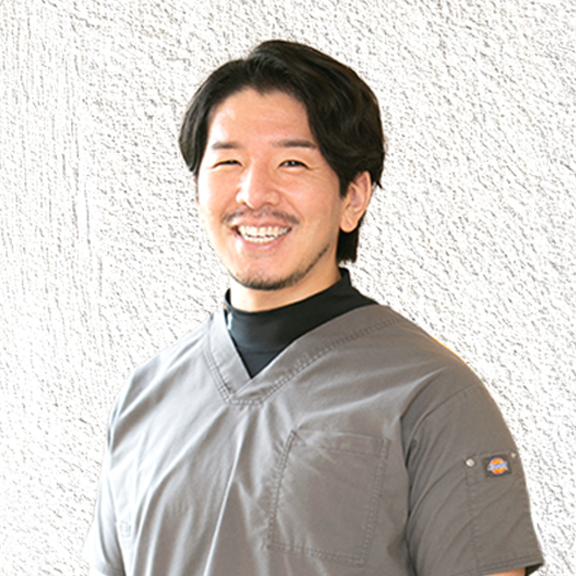
Director of NAG Orthopedics: Yoshimasa Nagumo
Orthopedic Specialist & Sports Doctor
Dr. Nagumo initially built his career as a surgical oncologist specializing in orthopedic cancer treatment. Subsequently, he moved to the United States to engage in advanced research in the field of regenerative medicine.
It was during his time in the U.S. that a personal injury led him to realize the critical importance of sports medicine. Upon returning to Japan, he transitioned his focus to become a sports orthopedic surgeon.
Currently, he leads the "Athlete Support Program," which provides comprehensive medical support to athletes using a combination of blood analysis and cutting-edge regenerative medicine technologies.
[Click here for the program introduction page:https://nagseikei.jp/en/dr/]

