
Basic Information on Stem Cell Injections for Joints
What are Stem Cells?
Stem cells are undifferentiated cells that exist within the human body that possess the ability to self-replicate to produce more identical stem cells, as well as differentiate into various cell types such as bone, cartilage, fat, and muscle. In adults, they are primarily found in bone marrow and adipose (fat) tissue, playing a role in maintaining tissues and repairing damaged ones. Stem cells do not only transform directly into tissue; they also release numerous growth factors and anti-inflammatory substances that support the function of surrounding cells.
What is Stem Cell Joint Injection?
Stem cell joint injection is a treatment method in which harvested and cultured stem cells are injected directly into the joint. Once injected, the stem cells secrete growth factors and inflammation-regulating substances within the joint. By suppressing excessive inflammation, this treatment is expected to reduce pain and improve joint function. Furthermore, reports suggest that it may promote the recovery of damaged tissues by enhancing the body's natural regenerative capacity.
Indications for Stem Cell Joint Injection
Stem cell joint injection is a treatment performed for pain and stiffness caused by joint degeneration or damage.
It is indicated for a wide variety of joint conditions, including osteoarthritis, as well as injuries to cartilage and menisci.

Advantages and Disadvantages of Stem Cell Joint Injection
Advantages
- Continuous Secretion of Bioactive Substances
The injected stem cells secrete growth factors and inflammation-regulating substances inside the joint, improving the intra-articular environment and expectedly leading to pain relief and functional improvement. - Use of the Patient's Own Cells
Because the therapy utilizes stem cells cultured from the patient's own adipose tissue, the risk of rejection or allergic reactions is considered low. - Non-Surgical Treatment Option
It serves as a viable alternative for patients who have not achieved sufficient improvement through conservative management or PRP therapy, or for those who wish to avoid surgery whenever possible.
Disadvantages
- Minor Surgery Required for Fat Harvesting
To harvest stem cells, a minor surgical procedure under local anesthesia is necessary to collect adipose tissue. - Cultivation Period Required Prior to Administration
Because the harvested stem cells must be cultured, it takes approximately two months before the injection can be administered. - Multiple Clinic Visits Required
Multiple visits are necessary for fat harvesting, injection, and follow-up monitoring.
Procedure and Treatment Flow of Stem Cell Joint Injection
1. Preparation (Pre-procedural Testing)
To ensure safe cell cultivation, screening tests for infectious diseases are conducted prior to the treatment.
2. Stem Cell Harvesting
At NAG Orthopedics, we perform stem cell harvesting from fat tissue, which imposes a lower physical burden on the patient.
- Local anesthesia is applied to an inconspicuous site, such as the abdomen or hip area, where a small incision is made to collect a small amount of fat tissue.
- The incision site is sutured, and stitches are removed at a later date. Since the incision is very small, the scar becomes inconspicuous over time.
- Hospitalization is not required.
3. Stem Cell Cultivation
The harvested adipose tissue is sent to a partnered processing facility. At the facility, stem cells are isolated from the tissue and cultured until they reach the quantity required for treatment. It generally takes about 2 months for the stem cell count to reach the required therapeutic level.
4. Administration of Stem Cell Injection
Stem cell injections are administered on an outpatient basis.
- The injection procedure itself takes about 5 to 10 minutes.
- No hospitalization is required; patients can walk home immediately after the injection.

Effects of Stem Cell Joint Injection
While the effectiveness of stem cell joint injections varies among individuals, the secretion of bioactive substances within the joint is expected to suppress inflammation, relieve pain, and improve joint function. Additionally, by promoting the repair of damaged tissue and enhancing the intra-articular environment, it offers the potential to improve mobility during daily activities and exercise.
Information on Self-Pay Treatment (Costs, Side Effects, and Risks)
Costs and Insurance Coverage
Stem cell joint injections are not covered by health insurance and are performed as self-pay medical care.
- Fee (tax included): ¥1,320,000
- Administration: Total of 2 injections spaced 3 months apart (the above amount covers both doses).
Side Effects and Risks
Please take note of the following points before undergoing stem cell joint injections:
- Main side effects associated with injection:
Because stem cells are administered via intra-articular injection, general side effects related to injections—such as pain at the injection site, swelling, and fever—may occur. - Burden associated with harvesting:
Fat harvesting (involving a minor incision, local anesthesia, and subsequent stitch removal) is required to obtain the stem cells. - Individual variations in efficacy:
The treatment may not produce identical results for all patients.
Acquisition Route and Approval Status in Japan and Abroad
- The stem cell therapy used in this treatment is an unapproved medical technology under the PMD Act (Act on Securing Quality, Efficacy and Safety of Products Including Pharmaceuticals and Medical Devices).
- The autologous adipose-derived stem cells used in this treatment are harvested at our clinic and cultured/processed by a registered manufacturer of specified cell-processed products.
- There are no approved pharmaceuticals or medical devices in Japan with equivalent ingredients or efficacy.
- No pharmaceuticals or medical devices with similar efficacy or indications have been approved in major Western countries.
Reservations at NAG Orthopedics
If you wish to receive stem cell joint injections at NAG Orthopedics, please make a reservation using the link below.
References:
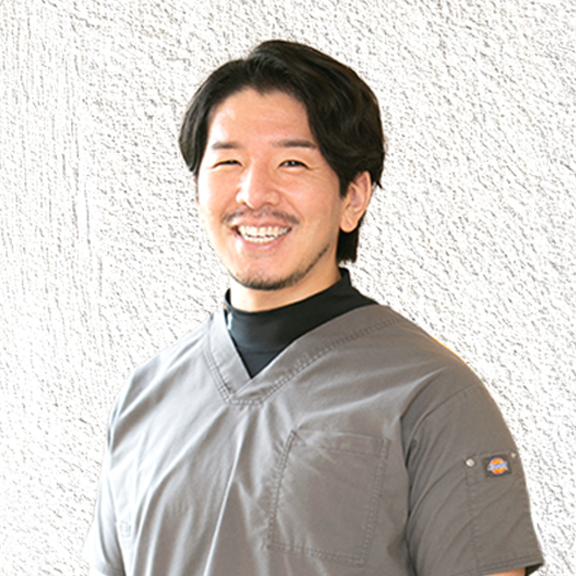
Director of NAG Orthopedics: Yoshimasa Nagumo
Orthopedic Specialist & Sports Doctor
Dr. Nagumo initially built his career as a surgical oncologist specializing in orthopedic cancer treatment. Subsequently, he moved to the United States to engage in advanced research in the field of regenerative medicine.
It was during his time in the U.S. that a personal injury led him to realize the critical importance of sports medicine. Upon returning to Japan, he transitioned his focus to become a sports orthopedic surgeon.
Currently, he leads the "Athlete Support Program," which provides comprehensive medical support to athletes using a combination of blood analysis and cutting-edge regenerative medicine technologies.
[Click here for the program introduction page:https://nagseikei.jp/en/dr/]

