

Definition and Overview of PRP Therapy
Our blood contains three main components: red blood cells, white blood cells, and platelets. Each component plays the following roles:
①Red blood cells: Carry oxygen throughout the body
②White blood cells: Involved in immune responses
③Platelets: Coagulate (clot) blood to close wounds and heal injured tissue
Scabs that form when you get injured are a result of platelet function. Platelets have the power to suppress inflammation and repair damaged tissues.
PRP therapy was created by focusing on this function. PRP stands for Platelet Rich Plasma (translated as Takekshouban or "platelet-concentrated plasma" in Japanese). By concentrating platelets from your body to a high level and administering them to inflamed or damaged joints, muscles, and tendons, PRP therapy aims to reduce inflammation and relieve pain.
Target Conditions for PRP Therapy
At NAG Orthopedics, PRP therapy is primarily used in the following two areas:
1. Joint Conditions
Arthritis,Osteoarthritis,Meniscal tears,Articular cartilage damage, etc. (Inflammation and pain in joints caused by various factors)
2. Muscle and Tendon Conditions
Myositis / Fasciitis,Tendonitis (Achilles tendonitis, sprains, tennis elbow, golfer’s elbow, tenosynovitis, etc.)
Mechanism and Procedure of PRP Therapy
Treatment Mechanism
Platelets are extracted from your own blood, highly concentrated, and injected into the affected area. The growth factors contained in the platelets suppress inflammation and aim to improve pain.
Outpatient Procedure
PRP therapy can be performed on an outpatient basis.
- Blood Draw: A small amount of your blood is collected.
- Extraction: The collected blood is centrifuged to extract the platelet-rich plasma (PRP) component (takes approximately 1 hour).
- Injection: The PRP is injected into the target area. You can go home immediately after the procedure.
Benefits, Disadvantages, and Important Notes
Benefits
- Reduced Risk of Allergies and Rejection: Because it uses your own blood, the risk of allergic reactions or rejection caused by foreign substances or synthetic materials is minimized.
- Alternative Option to Standard Treatments: It is considered a viable treatment option when conventional standard treatments do not yield satisfactory results.
- Same-Day / Outpatient Treatment: No hospitalization or surgery is required. You can receive treatment on the day of your visit and return home immediately.
Disadvantages and Considerations
- Delayed Onset and Individual Variation: It takes a certain period for the therapeutic effects to appear, so it lacks immediate results. The degree and timing of effectiveness vary from person to person.
Important Information Regarding Self-Pay (Uninsured) Medical Care
This treatment is an out-of-pocket medical service not covered by Japanese health insurance.
Costs (Self-Pay):
- PRP Therapy (1 area): ¥132,000 (tax included)
- First-time Consultation Fee (Self-Pay): ¥6,600 (tax included)
Side Effects and Risks:
- Temporary pain, swelling, heat sensation, bruising, and rarely, risk of bacterial infection.
- Results vary by individual and similar outcomes cannot be guaranteed for every patient.
Number of Treatments and Duration:
- Number of Treatments: Varies depending on the treatment area
- Treatment Period: Approximately 3 to 6 months, including follow-up observations

Reservations for PRP Therapy at NAG OrthopedicsIf you wish to undergo PRP therapy at NAG Orthopedics, you can make a reservation below:
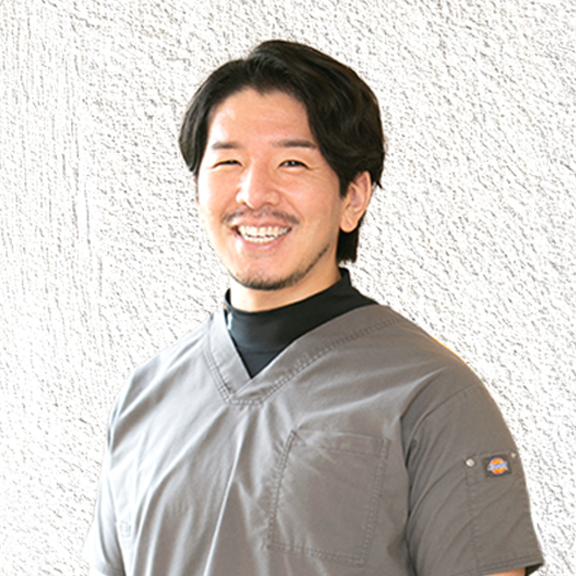
Director of NAG Orthopedics: Yoshimasa Nagumo
Orthopedic Specialist & Sports Doctor
Dr. Nagumo initially built his career as a surgical oncologist specializing in orthopedic cancer treatment. Subsequently, he moved to the United States to engage in advanced research in the field of regenerative medicine.
It was during his time in the U.S. that a personal injury led him to realize the critical importance of sports medicine. Upon returning to Japan, he transitioned his focus to become a sports orthopedic surgeon.
Currently, he leads the "Athlete Support Program," which provides comprehensive medical support to athletes using a combination of blood analysis and cutting-edge regenerative medicine technologies.
[Click here for the program introduction page:https://nagseikei.jp/en/dr/]

